
Instructional coaching is a great job for those who want to teach students. You will need to be a leader and able to coach others. You'll need to be flexible, patient and honest. Most importantly, you must never make a student feel incompetent or insulted. As an instructional coach, your role will allow you to interact with students from many different backgrounds and help them learn. It is rewarding to see a school become fully accredited within a year or increase student engagement.
Job description
The job description for instructional coaching positions involves working with educators to improve the delivery of math and literacy skills. These coaches often work in university, elementary, and secondary schools. These coaches provide ongoing professional development to teachers through the implementation of new teaching strategies and improving their teaching skills. They are also supportive of the school system's philosophy and promote positive relationships among students and teachers.
The role of an instructional coach varies depending on the level of education and experience. In the elementary and middle grades, instructional coaches will typically be LEAP Content Leaders. At the secondary level, these coaches may serve as LEAP Subject Leaders. These coaches will help teachers achieve their goals and implement new teaching methods, such as data-driven assessments. In addition, they will examine student work and analyze trends in student achievement.
Salary
Salaries for instructional coaches jobs may vary depending on the job. This career offers both challenges and potential for personal growth. In many cases, instructional coaches work at schools and other public institutions. Their salary is determined by many factors including education, experience, and geographic location. For instance, someone who lives in New York City can earn $23,000 annually, while someone who lives in Los Angeles, California could make $87,000.
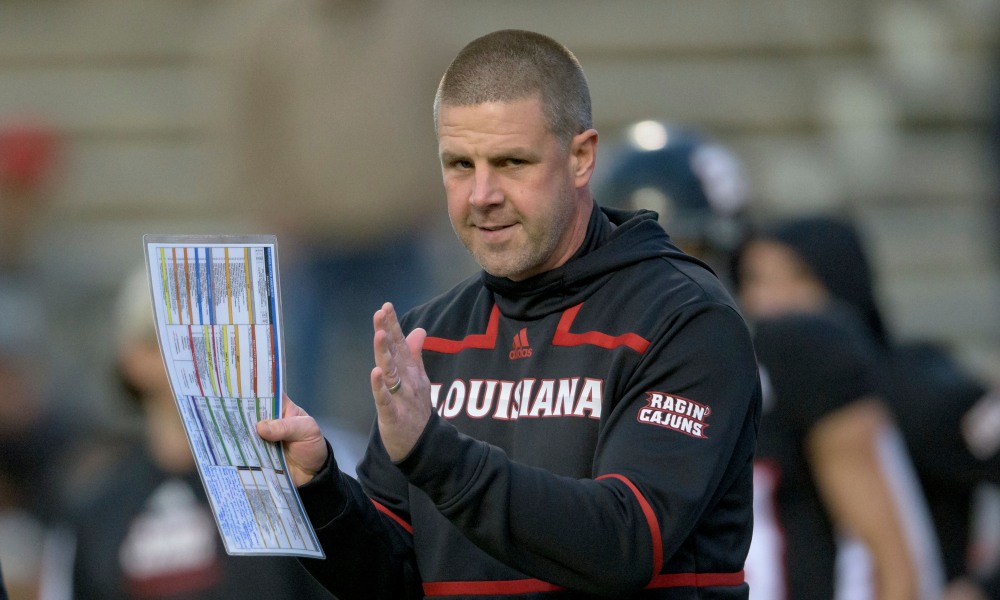
An instructional coach works in schools. But, they can also be found working in other areas, such as districts, state education departments, or private educational consulting businesses. These professionals could work full-time or part-time. These professionals are often able to travel due to their flexible work hours. They are often partnered with teachers who help them improve their teaching practices and assist students in achieving success.
Work environment
Instructional coaching jobs often involve collaboration with other educators and professionals. They might also work with students or parents to create memorable learning experiences. These roles require lots of time spent organizing activities and analysing data. For instructional coaching jobs, it is important to have a positive work environment.
Excellent communication and interpersonal skills are essential for instructional coaches. It is important that you are able to recognize different learning styles and communicate with them. Additionally, you should be able assess the progress of students and offer constructive feedback. Many instructional coaches are experienced teachers who have taught for a few decades. Some instructors go on as leaders or become consultants. Others return to teaching.
Education is necessary
To become an instructional coach, you will need to pursue a master's degree in education or a related field. This will help you improve your teaching skills and techniques. It will typically take you two to three to complete the degree program. Curriculum and Instruction and Teacher Leadership are the most popular majors. It is possible to complete most programs online. This is a great option for working teachers who cannot attend traditional classroom settings.
You must have extensive education in order to be an instructional coach. You must be familiar with the best education practices and be able apply them in the classroom. You will need to be able to analyse data and develop innovative teaching methods. It is important that you have had experience with different professional learning groups, and are open to collaboration.

Career path
A career in instructional coaching may interest you if you've taught in a school setting or at university. These positions require a Master's degree, and offer a broad education in teaching practices. These positions require extensive experience in teaching and curriculum planning. These requirements are similar to regular teachers. You should also consider how long your teaching experience is to get an understanding of the kind of experience that you will need for this position.
In addition to teaching, instructional coaches may be a part of professional development teams. They may also be able to work directly with parents and students to develop and implement learning plans. They may also be responsible in leading meetings and assigning work to other members of their team.
FAQ
What is a relationship life coach?
A relationship life coach helps you develop the skills needed to build strong relationships by providing support, advice, coaching, guidance, education, training, and mentoring.
They can help you better understand yourself, what others think about you, and how you are perceived by them. They are there when you need them.
A coach for relationship and life also recognizes the importance self-care. He encourages clients take time to do things that make him happy.
Relationship life coaches have a wide understanding of human behavior. This allows them to quickly identify problems and react accordingly.
Relationship life coaches can be used at any stage of your life, whether it's starting a new relationship, getting married, having kids, moving house, changing jobs, going back to university, dealing with bereavement, transitioning to parenthood, coping with financial difficulties, planning a wedding, buying a home, leaving an abusive relationship, managing conflict, overcoming addictions, improving communication skills or finding inner strength.
What credentials do life coaches need?
A life coach who is successful must be able to understand the human mind, psychology, and motivation. They need to be able understand people's thoughts and behavior and know what motivates.
A successful life coach must also possess counseling, listening, and communication skills. Additionally, they must have the ability to motivate clients.
A life coach who is successful must be flexible and able to adjust his or her approach as needed.
What's the difference between a life coach and a therapist?
A life coach can help you live a happier life. They help you learn how to manage your emotions and behaviors to improve your relationships. This is not a goal to make people feel better. The goal is to also teach them how to do this.
A therapist can help someone with emotional issues such anxiety, depression, and trauma. These issues are understood by therapists, who can then provide treatment for them.
Life coaches are trained to work with people, but they do not have any formal training in the treatment of mental health conditions. Life coaches often have some experience working alongside people who struggle with anxiety, depression, and other mental disorders.
What does a life coach do exactly?
A life coach can help you live a happier, more fulfilling, and healthier life by helping you to focus on the things that matter most to you. They help you define your goals and design strategies to reach them. They can also offer support and guidance during difficult times.
They will be there for you when you need them.
A life coach doesn't just tell you what to do; they'll give you tools to make better decisions and improve your relationships.
Statistics
- According to ICF, the average session cost is $244, but costs can rise as high as $1,000. (cnbc.com)
- These enhanced coping skills, in turn, predicted increased positive emotions over time (Fredrickson & Joiner 2002). (leaders.com)
- 80 percent of respondents said self-confidence improved, 73 percent said relationships improved, 72 percent had better communication skills, and 67 percent said they balanced work and life better. (leaders.com)
- If you expect to get what you want 100% of the time in a relationship, you set yourself up for disappointment. (helpguide.org)
- This also doesn't mean that the give-and-take in a relationship is always 100% equal. (verywellmind.com)
External Links
How To
What questions are life coaches asking?
Coaching people is a great way of helping them live better lives. It involves self-awareness, self care, and positive change. It is a great profession for those who wish to make a difference in the lives of others.
Life coaches are trained in listening to clients and helping them find solutions. They can provide guidance on any aspect of life, including relationships, finances, health, parenting, nutrition, spirituality, and personal development.
They can help identify any issues that could be holding you back from reaching your goals and help you devise strategies to overcome them.
A life coach can help you improve your diet, exercise, social interactions, and any other aspects of your life.
A life coach will help guide you on your journey, and make suggestions to get you started.
They might also ask questions like:
-
What are your goals for life?
-
What does it feel like to wake up every day?
-
What do you wish to be in five or more years?
-
Who do you admire? Why?
-
What makes you happy?
-
What does success look like to you?
-
What are you afraid of?
-
Which is your greatest strength?
-
What are some areas you should work on?
-
What is the one thing that you wish you knew before you embarked on your journey?
-
What are your three favorite things?
-
What are you most grateful for?
-
What are your values?
-
What value do you place on yourself?
-
What are some things that you dislike about yourself?
-
Do you know the reason you act/feel this way?
-
Are there times that you feel stuck?
-
Have you ever felt depressed?
-
What were your learnings from this experience
-
What do other people think about you?
-
What do you think of yourself?
-
How do other people perceive you?
-
What are your friends and family saying about you
-
What has been your greatest challenge?
-
Which is your favorite piece of advice?
-
What was your biggest mistake?
-
What are other people expecting of you?